

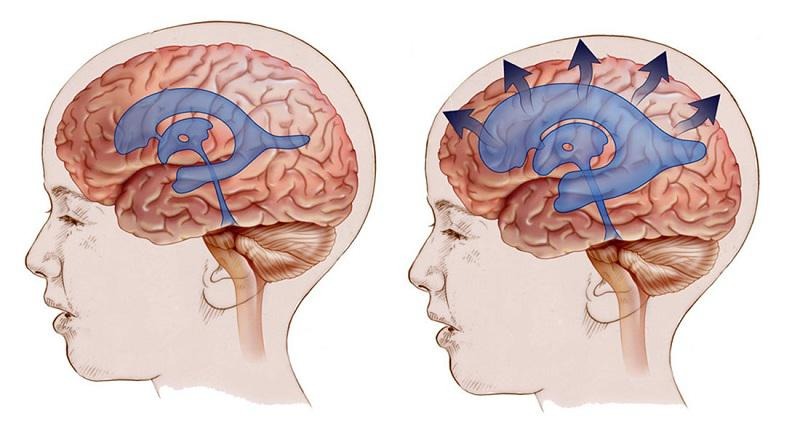
What does pseudotumor cerebri mean?
It is the presence of increased intracranial pressure findings without a brain tumor. CSF content is usually normal, and no underlying cause is identified.
How common is pseudotumor cerebri?
According to epidemiological studies:
• General population: about 1–2 cases per 100,000 people per year
• Obese women: about 10–20 cases per 100,000
Approximately 90% of patients are obese women of reproductive age, and about 10% are men.
Why pseudotumor cerebri is important?
If untreated, permanent vision loss may develop due to pressure on the optic nerve.
How does pseudotumor cerebri improve?
First-line management includes lifestyle modification (especially weight loss) and medications that reduce CSF production, such as acetazolamide.
• Some studies show that 5–15% weight loss may be associated with regression of papilledema.
• A 1998 study reported at least one-grade improvement in optic disc swelling with about 2.5 kg weight loss; however, visual field loss may not improve in every patient.
How are symptoms controlled?
Answer (stepwise):
- Medication + weight management
- Intermittent lumbar puncture (for symptom control)
- Surgical CSF diversion (if vision is at risk)
“Lumbar puncture may provide temporary relief; it is used selectively due to rare but serious risks such as meningitis/arachnoiditis and the possibility of requiring repeated painful procedures.”
What if there is a risk of vision loss?
Ventriculoperitoneal or lumboperitoneal shunt options performed by neurosurgery are considered. In appropriate patients, up to 80% vision stabilization or improvement has been reported in the literature.
What is optic nerve fenestration?
A procedure performed by ophthalmologists in which small openings are made in the optic nerve sheath to reduce swelling. It may provide short-term benefit but carries risks such as retinal artery occlusion, neuropathy, bleeding, and eye movement disorders.