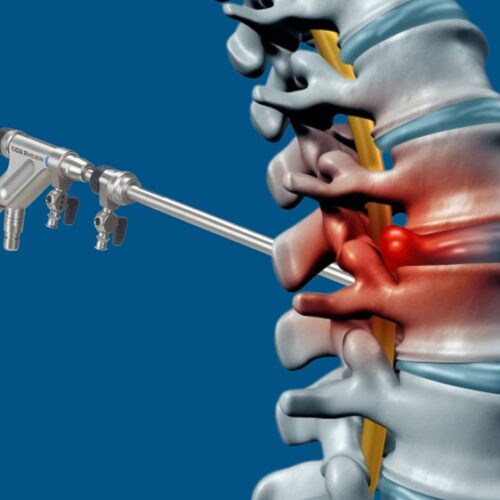
Methods referred to in daily practice as “totally boodless” or “fully closed” usually describe endoscopic or percutaneous (performed through a very small skin entry point) lumbar disc procedures. The goal is to remove the portion of the disc compressing the nerve...
Author: erol
Frequently Asked Questions About Dementia
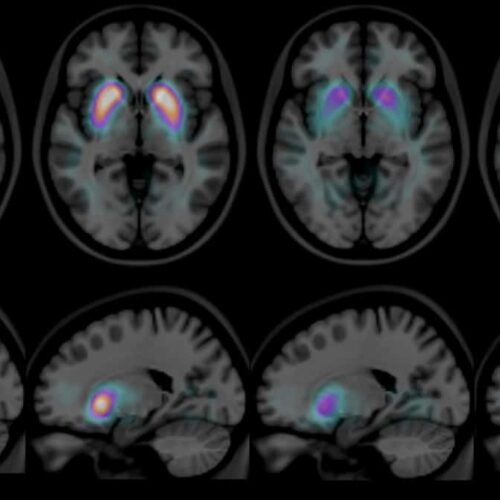
Dementia is not a single disease. Cognitive impairment due to some causes can be reversible. For example...
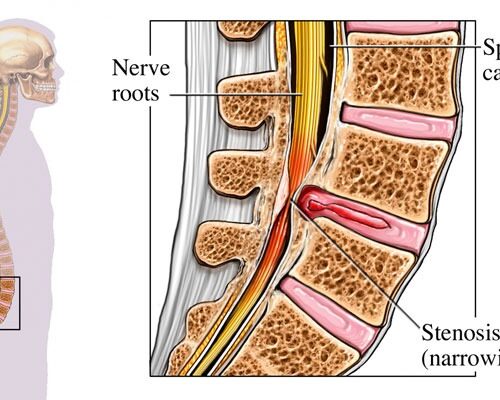
Spinal Canal Stenosis
It is the compression of the spinal cord or nerve roots due to narrowing of the spinal canal. When spinal cord injury develops, it is called myelopathy; when the damage becomes visible on MRI, it is termed myelomalacia.
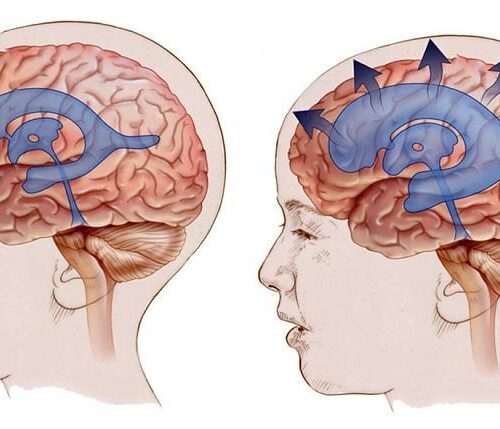
Pseudotumor Cerebri (Idiopathic Intracranial Hypertension)
It is the presence of increased intracranial pressure findings without a brain tumor. CSF content is usually normal, and no underlying cause is identified.
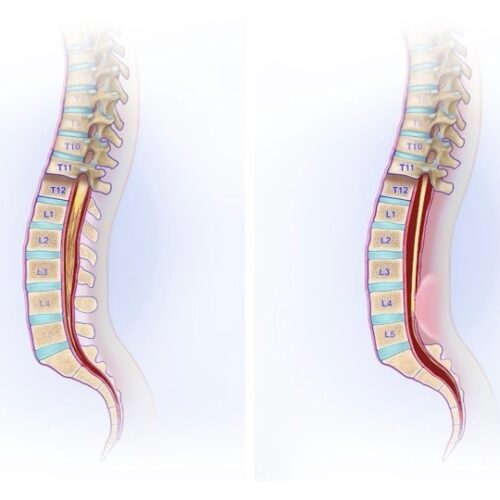
What Is Tethered Cord Syndrome?
It is a condition in which the lower end of the spinal cord is abnormally low and tightly attached within the spinal canal. It is usually a congenital developmental variation. It may also be referred to as a thickened filum terminale, fatty filum, or tethered cord.
What Is Cerebellar Tonsillar Herniation (Chiari Malformation) and How Is It Treated?
Cerebellar tonsillar herniation is a condition in which the lower part of the cerebellum (the tonsils) descends downward through the opening at the base of the skull. This displacement may disrupt the flow of cerebrospinal fluid (CSF) and cause pressure on the brainstem.
Empty Sella
Empty sella is defined by CSF filling the sella region on imaging with a flattened appearance of the pituitary gland. MRI studies report a wide frequency range of approximately 8–35%.