

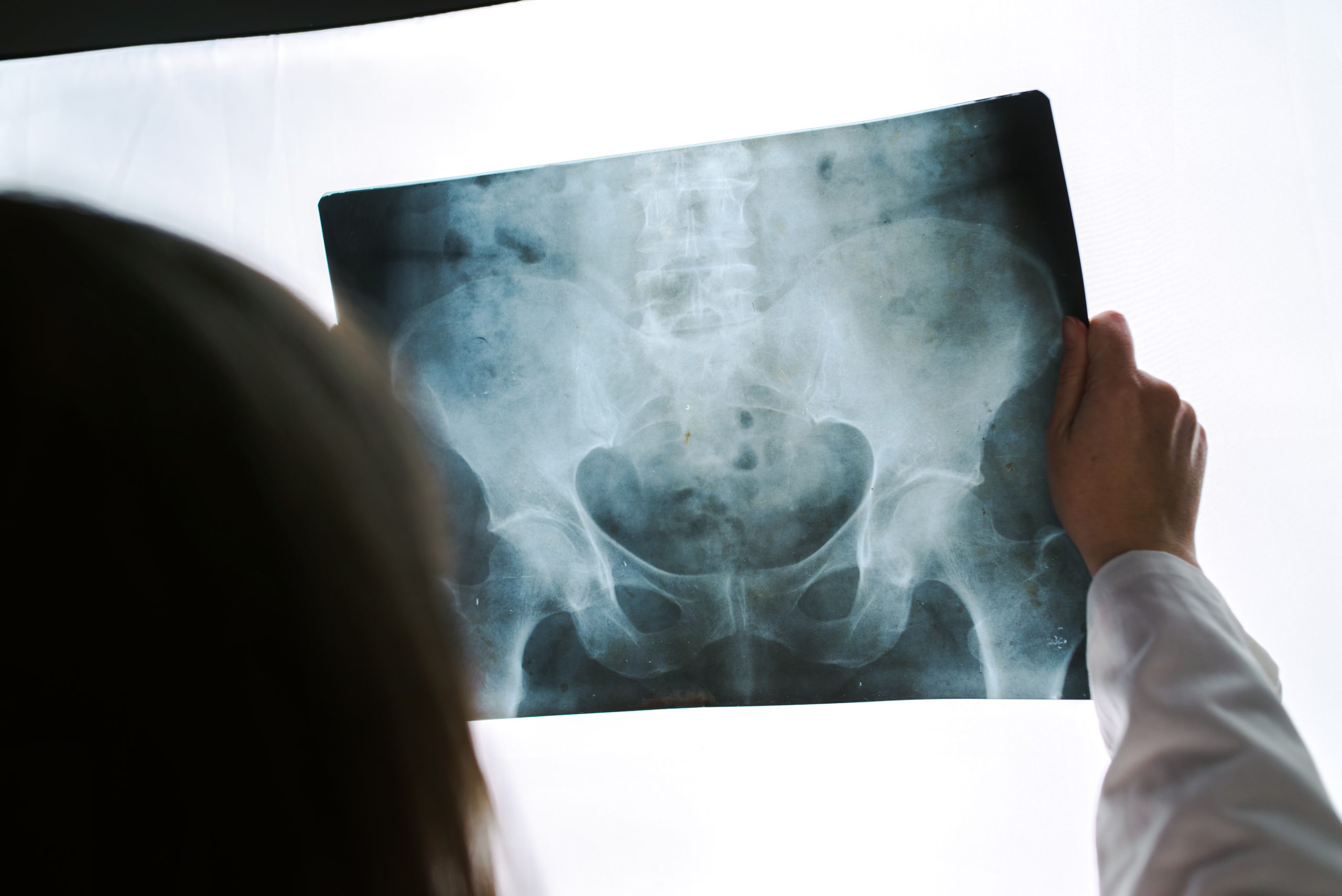
Coccyx (Tailbone) Fracture and Coccyx Pain
How long does a coccyx fracture take to heal?
Answer: In most cases, coccyx trauma/fractures improve over weeks to months. Sources indicate that spontaneous healing often takes about 8–12 weeks. If pain lasts longer than a few months or a deformity develops after healing, a condition called chronic coccydynia may occur.
If pain does not resolve, what options are considered?
Answer:
- Sitting modification (coccyx cushion) and activity adjustment
- Pain control (medications recommended by a physician)
- In selected cases, injection/block procedures (e.g., ganglion impar block)
- In long-lasting, quality-of-life-limiting cases consistent with imaging findings, evaluation of surgical options
Can a “crooked coccyx” be corrected manually?
Answer: Manual correction techniques are not considered a standard, evidence-based treatment for coccyx pain. Incorrect or forceful manipulation may worsen pain or cause additional injury. Evaluation should be based on examination, imaging, and appropriate specialist consultation.
How is coccyx curvature corrected?
Answer: If persistent coccyx pain accompanies the deformity seen on imaging, surgery may be required for treatment. During surgery, the curved portion of the coccyx is removed.
How successful is coccyx surgery (coccygectomy), and are there risks?
Answer: In chronic coccydynia, coccygectomy (removal of part or all of the coccyx) can be effective in selected patients; however, complications may occur. In one study/literature summary, the overall complication rate after coccygectomy was reported to be about 11%, with wound problems and infection being the most common issues.